
No results found for
-

Be in the Know
Whether it is traces of an allergen or the risk of harmful bacteria, foods are recalled on a daily basis. What if the foods you serve are affected? Will you be aware of product recalls? Here are some sure-fire ways to stay alert and keep your food supply safe. Sign up Both Health Canada and…
-

New Listeria Project Launches in Canada
Listeriosis, a serious infection caused by eating food contaminated with the bacterium Listeria monocytogenes, is an important public health concern in North America. The risk of listerosis can be reduced through safe food preparation, handling and storage practises and many food companies take proactive measures to prevent listeria bacteria from contaminating their food products.
-

Enhanced Labelling Regulations for Food Allergens
With a recent rise in the awareness of food allergies and intolerances, the Canadian Food Inspection Agency (CFIA) is introducing enhanced labelling regulations for food allergens. The new guidelines came into force on August 4, 2012. These regulations will help Canadians with food allergies and sensitivities make more informed choices about the foods they buy.…
-
What’s Health Canada up to Now…?
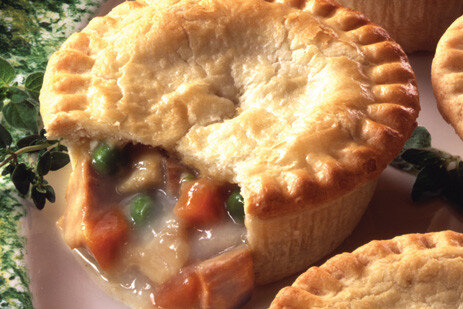
To be on top of nutrition news in Canada, it’s important to see what the government is up to. With staff including dietitians, researchers, scientists and other scholars, government organizations such as Health Canada and the Canadian Food Inspection Agency are constantly monitoring our food supply and changing regulations around packaging, labelling, ingredients and other…
-
New traceability program in Canada
In July 2012, the Government of Canada made an important announcement: a $765,000 investment into building a single national livestock traceability system. The new system, called Canadian Agri-Traceability Services (CATS), is part of the larger Canadian Integrated Food Safety Initiative (CIFSI). It is run by Agriculture and Agri-Food Canada, and the mandate is to enable…
-

Safe Summer Grilling at Home
With the grilling season getting into full swing, firing up the barbecue is a staple on almost everyone’s summer to do list. It is a time to gather with family and friends for a tasty meal while enjoying the outdoors. But Canadian summer days of course mean warmer temperatures and that means cooking outdoors has…
-

Food Safety in the Classroom
By Dr. Randy Huffman, Chief Food Safety Officer, Maple Leaf Foods Food safety is not a subject that has typically been on the minds of elementary and high school teachers or their students’ minds in the past. But helping the next generation understand what the risks are, where they exist and the roles of government,…
-

Last fall’s E. coli recall: a reminder of what went wrong
This fall’s large-scale beef recall from Alberta’s XL Foods has put E. coli in the spotlight. More than 1,500 items were recalled when E. coli contamination was detected in XL’s establishment 38 in September. This recent event is the largest beef recall in Canadian history. It’s important to remind you that products manufactured in Maple…
-
Storing of Ready-To-Eat Meats and Leftovers
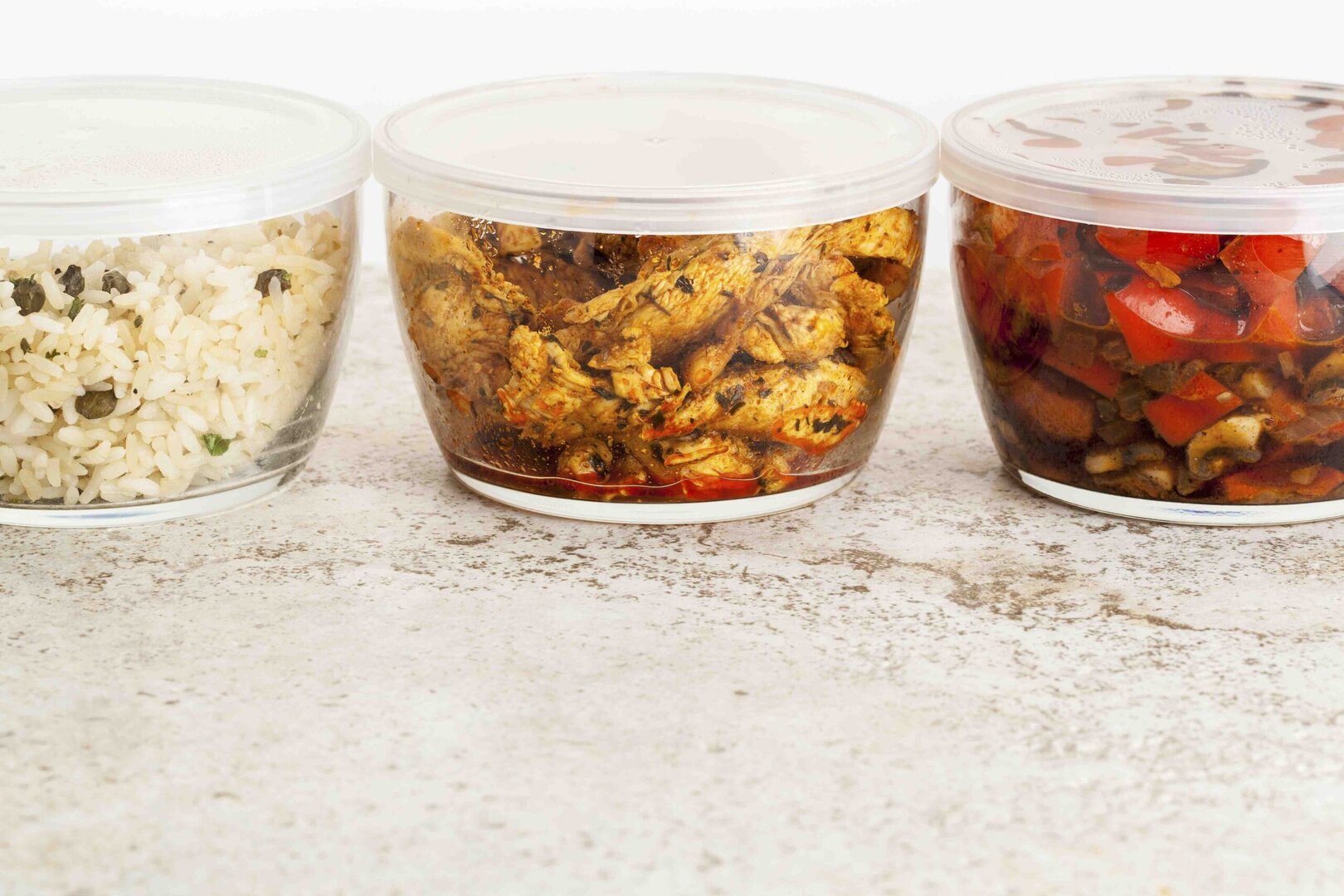
Follow these simple steps to help create delicious and safe sandwiches for your patients, residents and customers. The two-hour rule Refrigerate prepared foods within two hours. Discard prepared foods that have been sitting at room temperature for longer than two hours. Never freeze leftovers Refrigerate leftovers in shallow containers and cover once cooled. Food cools…
-
Safely Leading the Way
Food Safety is a key priority at Maple Leaf as we work toward becoming a global leader in food safety and creating a food safety culture that is second to none. Our Maple Leaf Food Safety Pledge is the embodiment of these efforts. It is our public commitment to you about what you can expect…
-

Maple Leaf Foods: Sharing Our Learnings
There is a heightened awareness of food safety and Listeria with the recent product recalls. Health Departments are more vigilant and better equipped to track and identify food-borne illnesses like listeriosis, and stronger government regulations implemented over a year ago require a lot more testing, which helps track the source of a problem when it…
-
Controlling Listeria Monocytogenes in Food
In the food industry, the strategy to controlling Listeria monocytogenes is largely focused on risk mitigation driven by robust surveillance and sanitation programs. There are three key components to effectively controlling Listeria in a food processing environment: Extensive and frequent monitoring and sanitation since Listeria monocytogenes typically thrives in meat plants; The use of growth…